Winterizing Heavy Equipment and Preventing Hydraulic Fluid Freezing
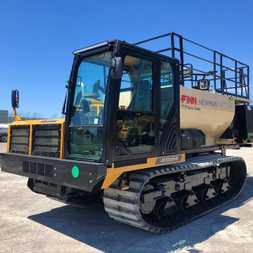
Cold winters can be brutal on heavy equipment—or at least, that’s what your water trucks and towers would say if they could talk. Let’s be honest, though: winterizing your machinery is a lot like flossing. When the dentist asks if you do it, you nod and say, “Of course,” but deep down, you know you only think about it when there’s already a problem.
For most machines, winter prep doesn’t go much further than topping off fluids and hoping for the best. But when your equipment deals with water, skipping winterization could mean frozen tanks, cracked hoses, or a hefty repair bill you didn’t see coming.
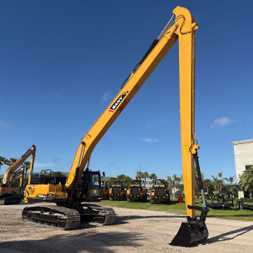
We’ll walk you through easy steps to protect your investment and keep your equipment reliable all winter long. Whether it’s water trucks, towers, or even excavators, these tips will help you figure out what your machines need before winter does its worst
The Basics of Winterizing Heavy Equipment
Winterizing is about preparing your machines to handle cold temperatures while minimizing the risk of damage. Every part of your equipment needs attention, from fuel systems to hydraulic components. Proper winterization extends the lifespan of your machines, prevents unexpected breakdowns, and keeps you productive, even in the harshest conditions.
Steps to Winterize Heavy Equipment
Inspect and Replace Fluids
Switch to winter-grade diesel fuel to prevent gelling. Add fuel additives for extra protection in sub-zero conditions.
Replace engine oil with a winter-grade or synthetic option that flows better in cold weather.
Top off antifreeze and ensure it’s a 50/50 mix of antifreeze and water to prevent freezing.
Protect the Battery
Store batteries in a warm, dry place if equipment won’t be in use for extended periods.
Use battery blankets or trickle chargers to keep the charge stable and ready.
Clean battery terminals to prevent corrosion.
Hydraulic System Check
Inspect hoses and seals for cracks or signs of wear. Replace as needed.
Replace hydraulic fluid with low-temp, arctic-grade, or low-viscosity options designed for cold weather.
Warm up the hydraulic system by running the machine before heavy use.
Check Filters and Belts
Replace fuel, oil, and hydraulic filters to ensure proper flow and performance.
Inspect fan belts for tension and wear, replacing any cracked or frayed ones.
Keep cabin air filters clean to maintain airflow and ensure proper defrosting of windows during winter.
Prepare Tires and Tracks
Inflate tires to the manufacturer’s recommended winter pressure.
Switch to winter-specific tires with deeper treads for better traction in snow and ice.
For rubber tracks, inspect for signs of cracking or excessive wear, as cold weather can exacerbate damage.
For steel tracks, check that they are free of mud, ice, and debris to prevent slippage and damage during operation.
Clean and Lubricate Moving Parts
Grease hinges, joints, and other moving parts to prevent freezing and ensure smooth operation.
Use Block Heaters
Plug block heaters into a reliable power source to keep the engine warm and make starting easier in the morning.
Consider using an outlet with a timer to turn the heater on a few hours before operation.
If your equipment has an air compressor, drain it at the end of every shift to remove moisture from the system.
Water buildup in the air system can freeze and damage critical components.
Stock Spare Fuel Filters
Always have spare fuel filters on hand, as cold temperatures can cause fuel to wax or gel.
Waxing begins at around 32°F (0°C), and gelling occurs at approximately 0°F (-12°C to -15°C), which can block fuel flow and prevent starting.
Preventing Hydraulic Fluid Freezing
Hydraulic systems are particularly vulnerable to freezing temperatures. Freezing can occur due to water contamination or improper fluid selection. To avoid issues:
Drain and replace old hydraulic fluid with winter-grade options designed for low temperatures.
Use block heaters to warm fluids before operation.
Inspect fluid levels daily and check for signs of leaks or contamination.
Run the machine to circulate fluid and warm the system before heavy use.
Storing Equipment for Winter
Proper storage is key to protecting your equipment during the winter months:
Store machinery in an enclosed facility to shield it from snow and freezing rain if you can.
Detach sensitive components and store them separately in a temperature-controlled area.
Use covers or tarps to prevent moisture buildup and protect exposed parts.
For tracked equipment, elevate the tracks off the ground using wooden blocks to prevent them from freezing to the surface and reduce stress on the tracks.
Common Winterization Mistakes
Avoid these common pitfalls to ensure your equipment stays in top shape:
Skipping Inspections: Overlooked issues like worn belts or cracked hoses can become major problems in the cold.
Using the Wrong Fluids: Ensure all fluids, especially hydraulic and engine oils, are rated for winter conditions.
Neglecting Batteries: Failing to maintain batteries can lead to startup issues and downtime.
Not Warming Up Equipment: Operating cold machinery without warming it up can cause unnecessary strain and damage.
Consequences of Failing to Winterize
Failing to winterize your heavy equipment can lead to serious issues, especially if the machine will be in use during the colder months:
Diesel fuel can gel in extreme cold if not properly treated, leading to fuel line blockages and operational issues.
Cold temperatures increase wear and tear on soft plastics and rubber components, making them more brittle and prone to cracking.
Batteries lose efficiency in the cold. Without proper care, such as storing them in a warm place or using a trickle charger, you may face reduced lifespan or unexpected replacements.
Increased repair costs and extended downtime.
Long-term wear and tear on vital components reduces the lifespan of your equipment.
Additional Tips for Cold Weather Operation
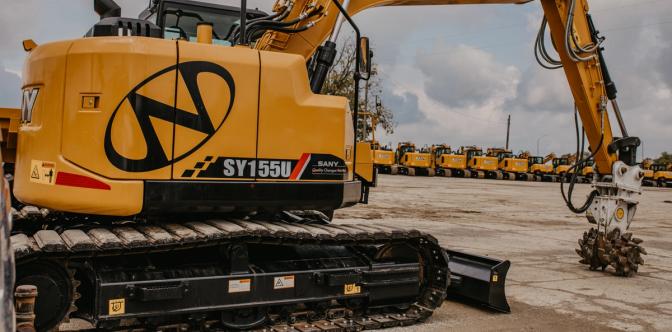
Winterizing your equipment depends on the type of machinery and how it’s used. Equipment like water trucks, water towers, and other machines reliant on fluids are particularly vulnerable in freezing conditions. These require extra attention, as frozen lines or tanks can cause significant damage. Excavators and other heavy machinery are also affected but may require less preparation if they’re not fluid-dependent.
What qualifies as “winter” can vary depending on your location. Generally, it’s time to prepare when temperatures consistently drop below 40°F. For water-based equipment, preparation is crucial well before temperatures hit freezing (32°F). Once temperatures approach 10°F or lower, any lapse in winterization can lead to severe operational issues.
Train operators on safe handling and maintenance during winter.
Monitor tire pressure and traction regularly.
Keep a winter emergency kit on hand, including tools, fluids, and safety equipment.
Top off fuel at the end of each shift.
Before the temps drop, drain your fuel tank to remove excess water that could cause ice and freezing issues.
Conclusion
Winterizing your heavy equipment is not just about surviving the cold—it’s about keeping your machines running smoothly, avoiding costly repairs, and staying productive. By following these steps and focusing on critical areas like hydraulic fluid, fuel systems, and proper storage, you can protect your investment and ensure reliable performance all season long.
Even if you don’t need us for the winterization process itself, we’re here to support you with parts and services to keep your equipment in top shape before and after the cold season. When in doubt, consult your local dealer or service provider for expert advice and assistance in maintaining your fleet.